
304 VS 316 STAINLESS STEEL - WHICH GRADE IS BEST FOR YOUR PROJECTS?
November 26th, 2025
Grade 304: The versatile industry standard
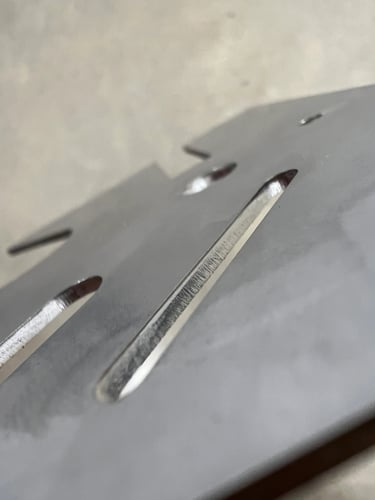
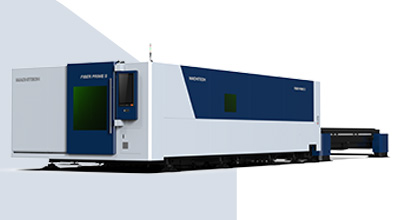
Grade 304 is the most common austenitic stainless steel and is often referred to as the workhorse of the industry. It typically contains between 18% and 20% chromium and 8% to 10.5% nickel, along with manganese, carbon, silicon, and iron. This grade offers excellent formability and can be easily fabricated using a plasma or laser cutting machines to achieve nearly any shape. It is also more affordable than Grade 316 and other stainless classes, though it is not ideal for highly corrosive environments. Common applications include commercial food and beverage processing equipment, residential appliances, and industrial piping components like fasteners and heat exchangers.
Grade 316: The Solution for Corrosive Environments
Grade 316 has a chemical composition similar to Grade 304 but contains a significantly higher amount of molybdenum, usually between 2% and 3% by weight. This added element gives Grade 316 even better resistance to corrosion, allowing it to be used in environments that would be too harsh for other types of steel. While this makes it a more versatile choice for heavy industrial applications, the extra molybdenum makes the material less flexible and more expensive than Grade 304. Because it is resistant to moisture and salt, Grade 316 is one of the most common materials used in marine environments, as well as in petrochemical refineries, medical devices, and chemical storage containers.