
COMPARISON BETWEEN ALUMINUM AND STAINLESS STEEL FOR FABRICATION
November 7th, 2025
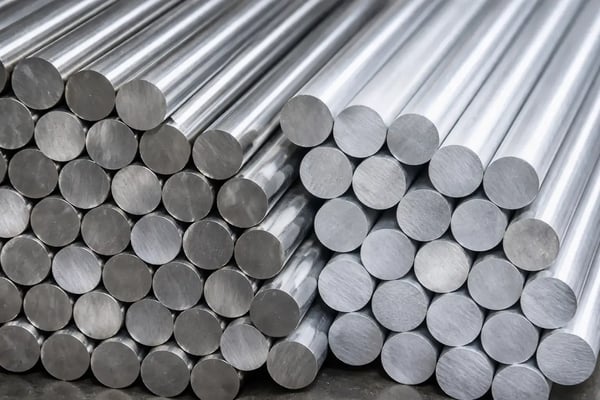
Aluminum and stainless steel are two metals commonly used across a wide range of applications. While each offers a long list of advantages, their popularity is largely driven by two key factors: both are naturally corrosion resistant and can be easily formed into virtually any shape. Let’s take a closer look at how they compare in terms of strength, electrical conductivity, thermal properties, machinability, and cost.
Strength
Stainless steel is heavier and stronger than aluminum and is therefore often used in structural components and architectural elements. Because it naturally resists corrosion, stainless steel is also the material of choice for commercial food and beverage processing equipment, household appliances, petrochemical refining equipment, and marine applications.
Although aluminum is lighter and less strong than stainless steel, it offers a superior strength-to-weight ratio. This makes it ideal for automotive and aerospace applications, where reducing weight improves load capacity and fuel efficiency.
Electrical Conductivity
When it comes to electrical conductivity, aluminum significantly outperforms stainless steel. For this reason, it is widely used in power lines, electrical wiring, and other electrical system components. Aluminum is also a better thermal conductor than stainless steel, making it the preferred material for rapid heat transfer applications such as air conditioning units, LED lighting, and heat sinks.
Thermal Properties
While aluminum conducts heat more efficiently, stainless steel’s strength allows it to withstand much higher temperatures. In fact, stainless steel can tolerate extreme temperatures exceeding 400°C (approximately 750°F), whereas aluminum begins to soften around 200°C (just under 400°F). For heavy industrial applications exposed to intense heat, stainless steel is the better choice.
Machinability
Aluminum’s high thermal conductivity and low melting point can make it more challenging to fabricate, particularly when compared to stainless steel, whose inherent malleability generally makes it easier to work with. That said, CNC plasma cutting tables can efficiently process both materials, making them a preferred solution for many custom metal fabricators.
Cost
Aluminum can cost up to 30% more than stainless steel. This price difference is influenced by several factors, including fuel costs and raw material availability. However, because aluminum offers a higher strength-to-weight ratio, less material may be required in applications where either metal can be used, potentially reducing overall project costs.
CNC Plasma Cutting Tables for Aluminum and Stainless Steel Fabrication
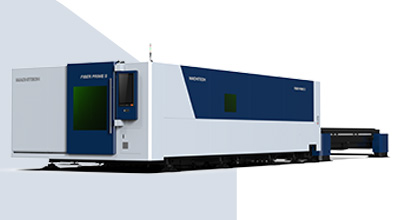
Aluminum and stainless steel are both widely used materials in custom metal fabrication. As noted above, professional fabricators often rely on CNC plasma cutting machines to automate, refine, and accelerate their aluminum and stainless steel production. When they need state-of-the-art CNC plasma cutting equipment to improve shop operations, professionals turn to Machitech.