
MODERN SHEET METAL IN HVAC FABRICATION AND THE TECHNOLOGY BEHIND IT
November 10th, 2025
Sheet metal is the backbone of HVAC ductwork fabrication, forming the ducts, fittings, plenums and custom components that deliver conditioned air efficiently throughout commercial, industrial and residential buildings. Choosing the right materials and technologies for cutting and shaping this sheet metal directly impacts quality, production speed and system performance.
Common Sheet Metal Materials for HVAC
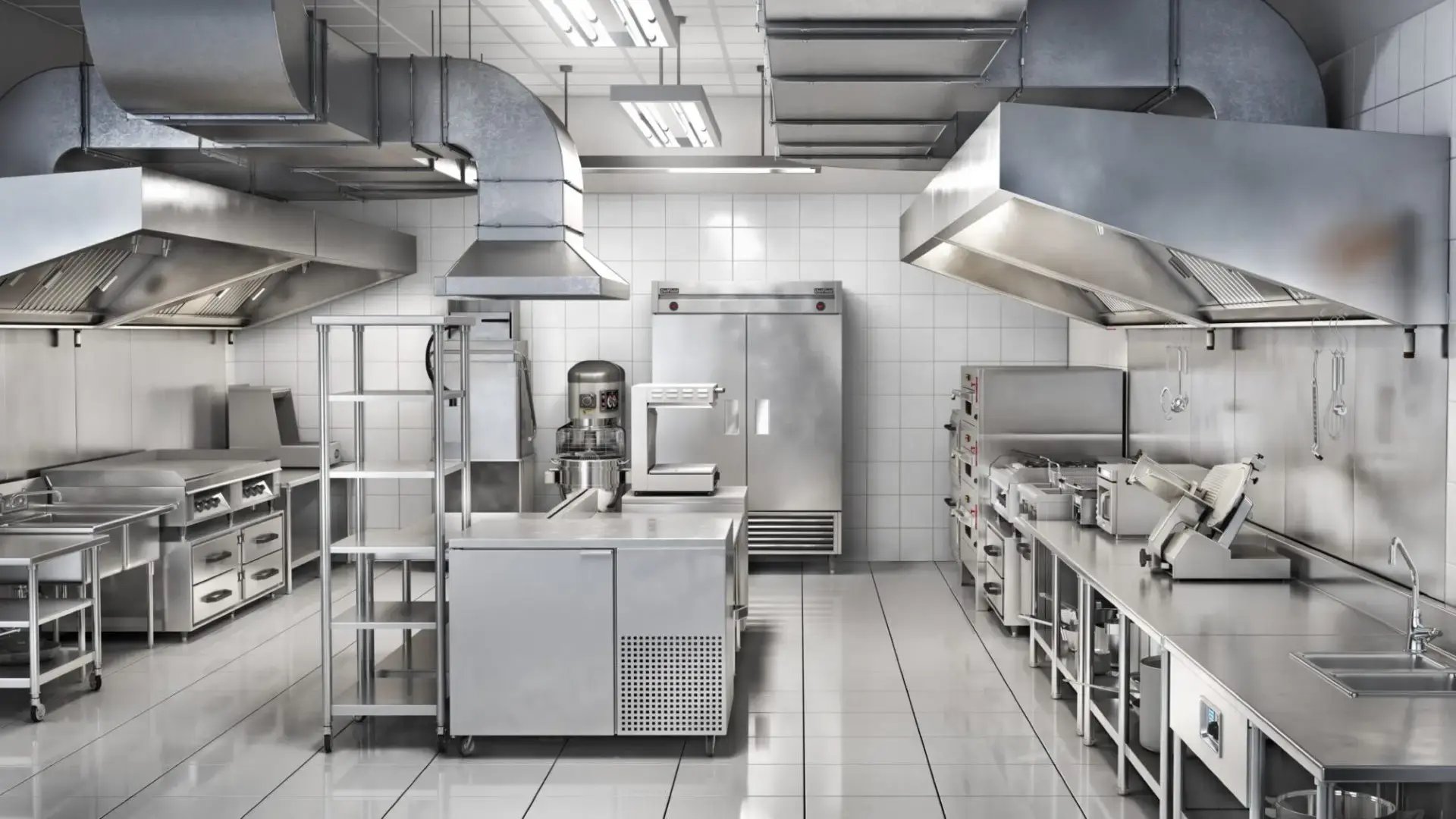
The most widely used sheet metals in HVAC ductwork include galvanized steel, aluminum, and stainless steel. Galvanized steel is typically the industry standard for duct systems thanks to its strength and corrosion resistance. The zinc coating protects the underlying steel from rust, making it ideal for air distribution systems. Aluminum is valued for its light weight and natural corrosion resistance, often used where weight savings or moisture resistance matter. Stainless steel is selected for corrosive or high-humidity environments, such as kitchen exhaust systems or specialized commercial applications.
The Role of Advanced Cutting Technology
Historically, HVAC sheet metal fabrication relied on manual cutting and simple mechanical tools, which limited precision and often increased material waste. Today’s automated cutting technologies, including heavy-duty CNC plasma tables equipped with Powermax plasma systems and high-precision fiber lasers, have revolutionized HVAC fabrication.
CNC Plasma with Powermax Plasma
CNC plasma cutting systems equipped with Powermax technology deliver high-speed, high-quality cuts through steel, aluminum, and other sheet metals used in HVAC. These systems reduce production time, minimize material waste and handle complex profiles that would be difficult or slow to cut manually. Precision CNC control ensures components fit together cleanly with consistent tolerances.
Fiber Lasers for Fine Detail and Complex Designs
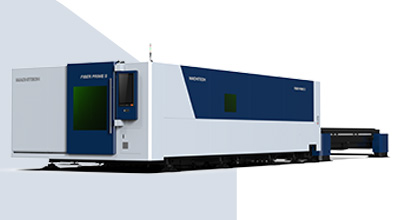
Fiber laser cutters take HVAC fabrication even further. Their highly concentrated, low-heat input beam produces ultra-clean edges with minimal distortion, especially useful on thinner gauge materials and corrosion-resistant alloys like aluminum and stainless steel. This precision is especially valuable when fabricating intricate duct transitions, custom fittings, or components where airflow efficiency depends on exact geometry.
Why This Matters for HVAC Fabrication
Modern HVAC systems often require ductwork with varied shapes, transitions, and custom fittings, from rectangular and spiral ducts to complex elbows and plenums, all of which benefit from precision cutting. Automated technologies decrease production time, improve repeatability, and reduce rework. They also allow fabricators to optimize material nesting and cut paths, lowering overall costs and improving throughput.
Choosing the right sheet metal is only part of delivering high-performance HVAC systems. Leveraging advanced cutting technologies like CNC plasma tables with Powermax plasma and fiber lasers enables fabricators to meet tighter tolerances, increase productivity and deliver superior ductwork components. These innovations have fundamentally changed how HVAC sheet metal fabrication is performed, helping shops stay competitive and responsive to project demands.
.jpg?width=500&height=348&name=hvac-all-american2%20(1).jpg "hvac-all-american2 (1)")