
TIPS FOR PIERCING WITH OXYFUEL IN 2026
December 10th, 2025
Oxy-fuel cutting is a popular method for fabricating mild steel. This process uses a stream of pure oxygen to shape the material. However, before cutting begins, the steel material must first be pierced, which is an art form of itself. Before we look more closely at the piercing process, let’s review how oxy-fuel cutting works.
Fabricating Via Exothermic Reaction
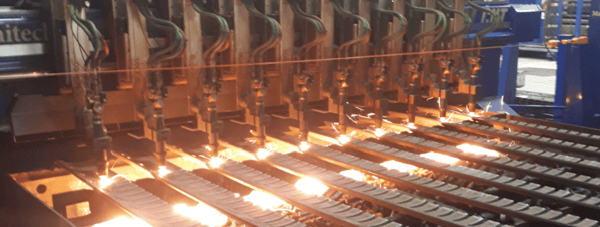
When fabricating steel with an oxy cutting machine, the material must first be heated to its ignition temperature, typically around 1760 degrees Fahrenheit. At this temperature, though still solid, steel loses its protective properties against oxygen. When the ignition temperature is reached, the torch shoots a fine stream of pure oxygen at the steel, melting it. The liquid steel (called slag) is blown out of the cavity as the cut is produced. There is a risk of damage to the equipment at this stage, as the spatter can blow back onto the cutting tip and impede the flow of oxygen. To avoid this, proper piercing methods must be employed.
Protecting the Cutting Tip
To prevent slag from blowing onto the cutting tip, the torch will typically move upward and away from the material until it is penetrated, at which point the torch will move back to the optimal cutting position. The cutting torch can also be positioned at an angle to prevent spatter from affecting the tip.
Piercing Thick-Walled Plate & Pipe
The risk of spatter damage is greater when processing thick-walled materials due to the inherent difficulty of heating these materials to the ignition temperature all the way through. It’s a lot harder to determine when the ignition temperature has been reached inside a thick material, and only the industry’s most experienced fabricators can get it right on the first try. If the steel has not reached the ignition temperature all the way through, or if it has been overheated, the oxy-fuel cutting process will not be ideal.
When Ignition Temperature Is Not Reached
If the ignition temperature is not reached all the way through the material, the exothermic reaction will not occur once cutting gets to a certain depth, and the cutting will stop. This will force the operator to start again at a different point and require the failed penetration to be grinded and welded back to workable condition.
When the Steel Material Is Overheated
Conversely, if the steel is allowed to preheat for too long, the amount of spatter will increase (making damage to the cutting tip more likely) due to the amount of steel in the thick material, and a large, unworkable crater will form.
Proportional Piercing
To help prevent an overabundance of slag and minimize the risk of damage, some oxy-fuel cutting tables are equipped with proportional piercing capabilities. This automated method of piercing the steel regulates the flow of oxygen in proportion to the temperature of the material. For example, low-oxygen pressure is used as the surface of the steel plate or pipe preheats and then is gradually increased as the ignition temperature is reached deeper within the steel. This process allows for deeper piercing and less spatter, as the tilted angle of the cutting tip provides room for the slag to blow out of the work area.
The 2026 Edge: Fully Automatic IHT Oxy-fuel Torches
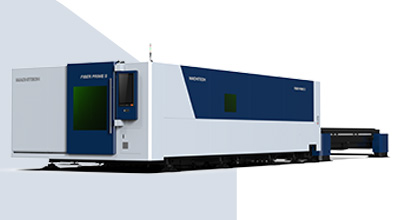
In 2026, the traditional "art form" of manual piercing has been replaced by the precision of IHT Automation offered with Machitech systems. These fully automatic torches utilize advanced internal sensors to eliminate the human guesswork previously required for height control and preheating. The IHT system features an integrated capacitive sensor that maintains a perfect distance between the torch tip and the plate, even if the material is warped or uneven.
By automating the ignition and gas regulation, these torches ensure that the exothermic reaction begins at the exact millisecond the steel reaches its optimal temperature. This leads to virtually zero blowback and significantly extends the life of your consumables. For shops looking to maximize uptime, this 2026 technology transforms oxy-fuel from a manual craft into a high speed, "set and forget" industrial process.