GUIDE TO STAINLESS STEEL FINISHES IN METAL FABRICATION
November 3th, 2025
There are nearly endless applications for stainless steel thanks to its natural corrosion-resistance properties and impressive strength. And while those two characteristics remain the same no matter the application, the appearance of stainless steel can vary because of the many different surface finishes that are available. Surface finishes are created by various methods, including rolling, polishing, and blasting, and they can range in tone from dull to bright. Stainless steel can also have a textured surface. Let’s review some common types of stainless steel finishes and when they are used.
No. 2B Finish
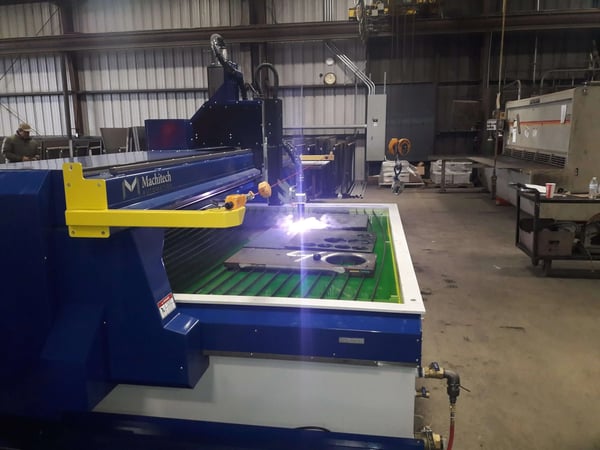
This cold-rolled finish produces a bright appearance and is the most common finish for light-gauge stainless steel. No. 2B finish produces a hazy, semi-reflective surface that is accomplished by a light pass through polished rolls. This is often the first step for stainless steel that will undergo further polishing. One drawback to this surface finish is that it does not contain any protective coatings. The stainless steel material, therefore, is susceptible to light marks caused by handling operations. This is the finish that is most used in laser cutting operations.
No. 3 Finish
Stainless steel with No. 3 finish features a course grain that runs in one direction. This texture is created by running a 120-grit abrasive brush over the surface of the material. No. 3 finishes are often applied on stainless steel that will be used for architectural and food-processing applications.
No. 4 Finish
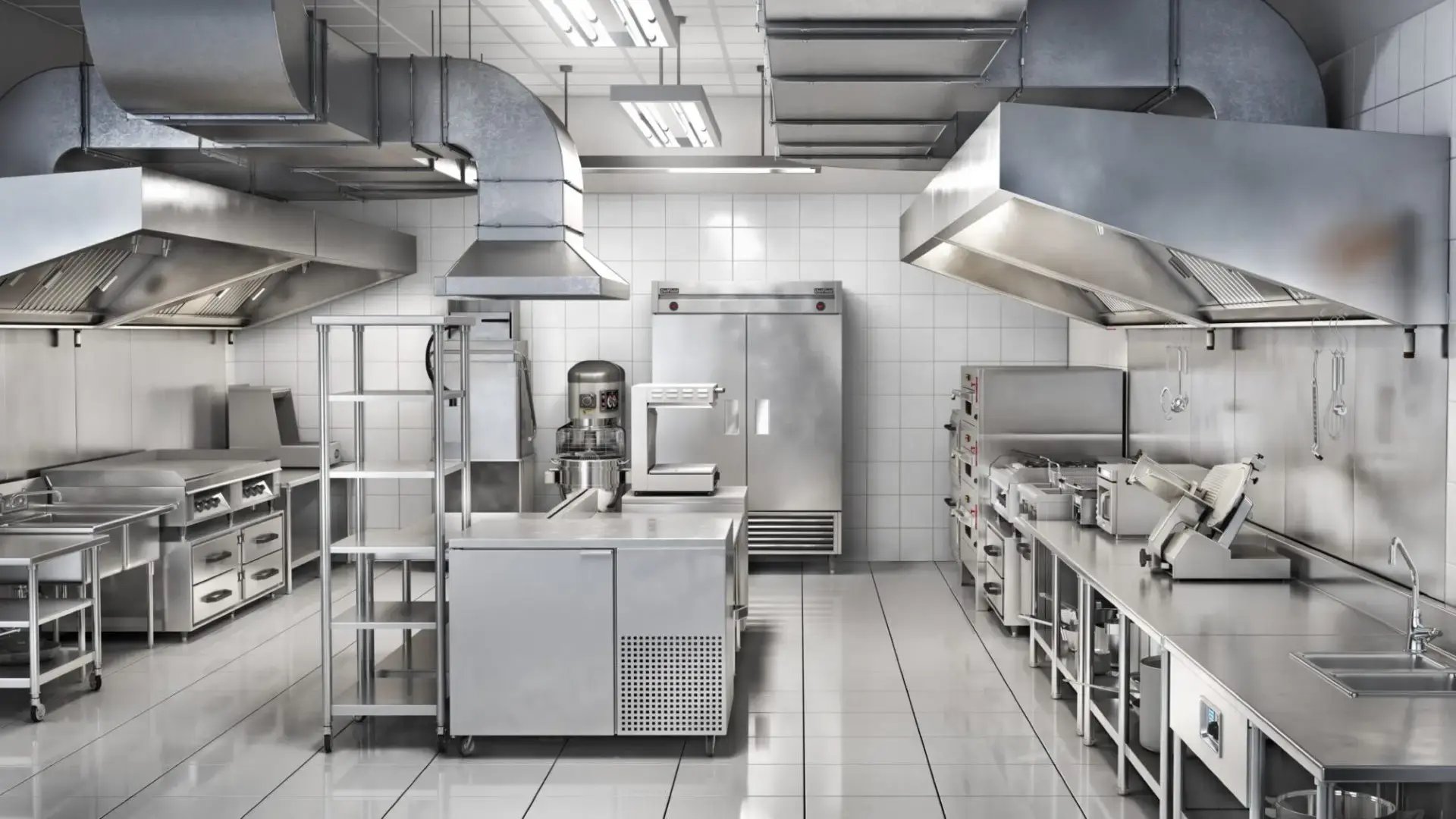
Similar to the No. 3 finish but using a more abrasive brush, surface finish No. 4 creates a strong directional grain appearance with a 150-grit brush. The visible grain is so defined that it prevents reflection. Stainless steel with No. 4 finish is most often found in kitchen equipment.
No. 7 Finish
Stainless steel with No. 7 finish has a high-luster and reflective surface that will still show some grit lines. This appearance is produced by grinding and buffing the surface. Examples of No. 7 finishes can be found in architectural components, such as ornamental trim and wall panels.
No. 8 Finish
Otherwise known as a mirror finish, stainless steel with No. 8 finish features a reflective surface. This appearance is achieved by polishing the stainless steel with increasingly finer abrasives and then buffing the surface until all grit lines and other defects are removed. No. 8 finish is mostly used for aesthetics and can be found in mirrors and sculptures.
BA (Bright Annealed) Finish
This cold-rolled finish is applied in a controlled atmosphere that prevents scale buildup as the stainless steel is annealed. The annealing process results in a thin layer of oxide forming on the steel, which boosts its natural resistance to corrosion. Stainless steel with a BA finish is often used in surgical equipment and cookware.