
WHAT METALS ARE USED IN SHIPBUILDING FABRICATION IN 2026?
February 5th, 2026
Modern shipbuilding is undergoing one of the most significant transformations of the modern era. Driven by international regulatory targets and decarbonization initiatives, the industry has become a high-tech frontier for metal fabricators. Today’s ship construction requires a synergy of classic metallurgy and advanced composites. Let’s look at the three primary metals defining the 2026 fleet:
High-Strength Steel
While steel has been the industry standard for over 80 years, the steel of 2026 is far more advanced than the grades used in the 20th century. Modern shipyards prioritize fracture toughness, fatigue resistance, and weldability, with corrosion protection achieved through advanced coatings.
Why is Steel still the primary hull material?
In 2026, steel remains king due to its structural integrity and its compatibility with modern welding techniques. This allows for thinner, lighter hull plates that do not sacrifice strength. These high-tensile hulls are essential for the new generation of ultra-large, automation-assisted cargo vessels, allowing them to carry massive payloads while countering the extreme whipping and springing forces inherent to Ultra-Large Container Vessels (ULCVs). Beyond the hull, steel is the standard for reinforced bulkheads and the heavy-duty structural frames of ice-class expedition vessels.
Maritime-Grade Aluminum Alloys
As the shipping industry moves toward hydrogen and electric propulsion, weight reduction has become the top priority. Aluminum is no longer just for "non-structural" parts; it is a critical component in the pursuit of fuel efficiency.
How does Aluminum complement Steel in 2026?
Aluminum weighs significantly less than steel and offers superior natural corrosion resistance. In 2026, we see a rise in aluminum-steel bimetallic transitions, allowing for massive aluminum superstructures atop steel hulls. This reduces top weight, improves overall vessel stability, and lowers propulsion energy requirements. From liquid hydrogen fuel tanks to specialized cryogenic and reefer units, aluminum’s recyclability makes it the darling of the circular maritime economy.
Nickel-Aluminum Bronze (NAB) and Brass
While traditional brass remains a staple for interior fittings and antimicrobial surfaces, Nickel-Aluminum Bronze (NAB) continues to be the dominant material, though Carbon-Fiber Composites are gaining traction in select marine components for their corrosion-immune properties.
Engineering for Efficiency and Durability:
Propellers in 2026 are increasingly designed using AI-driven fluid dynamics to minimize cavitation, the collapse of vapor bubbles that can erode metal. NAB and high-grade brass alloys are naturally resistant to this phenomenon. These materials are also prized for their "bio-fouling" resistance, preventing barnacles and algae from sticking to the blades, which maintains the propeller’s hydrodynamic efficiency and reduces a vessel's carbon footprint.
The Role of the Modern Fabricator
Why are skilled fabricators more crucial than ever? The seafaring vessels of 2026 are complex, data-driven machines. The industry needs fabricators who are not just masters of the torch, but skilled in Augmented Reality (AR) assisted assembly. As ship designs become more intricate to accommodate new fuel systems, the expertise required to weld and assemble these structures has reached an all-time high.
The Impact of Plasma and Fiber Laser Technology
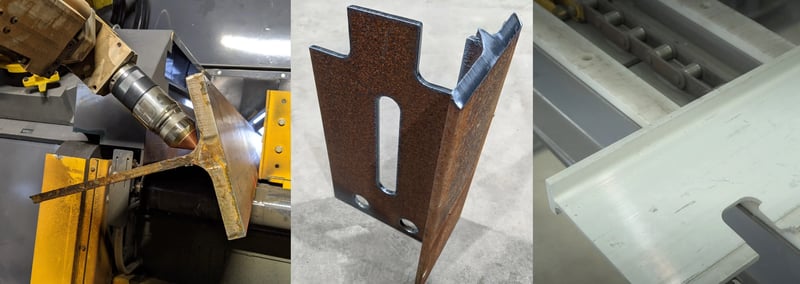
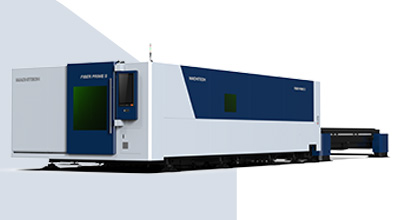
CNC Plasma and High Power Fiber Laser cutting have been making waves in the ship fabrication industries. Key drivers include:
-
Unmatched Precision: Modern CNC systems now integrate with a ship's 3D render, ensuring that every plate is cut to sub-millimeter accuracy, particularly when using fiber laser or advanced plasma systems.
-
Complex Geometries: These technologies allow for the creation of intricate internal stiffeners and weight-optimized brackets that were previously impossible to manufacture efficiently.
-
Speed and Sustainability: 2026 plasma tech has reduced the need for post processing, grinding time and material waste, allowing fabricators to produce more ready-to-go parts with a smaller environmental footprint.