DIFFERENCE BETWEEN FERROUS AND NON-FERROUS METALS AND HOW TO CUT THEM
November 26th, 2025
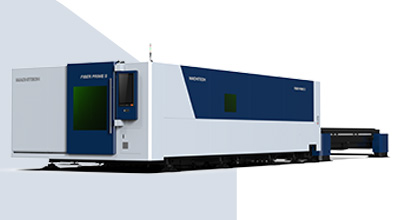
In the modern fabrication shop, the ability to transition seamlessly between diverse materials is the ultimate competitive advantage. While all metals fall into two primary categories, ferrous and non-ferrous, their wildly different chemical properties mean that a "one-size-fits-all" cutting approach is a recipe for inefficiency. Whether your shop specializes in structural steel or high-conductivity alloys, Machitech’s automated cutting solutions ensure that every material is processed with optimal precision.
Cutting of ferrous metals
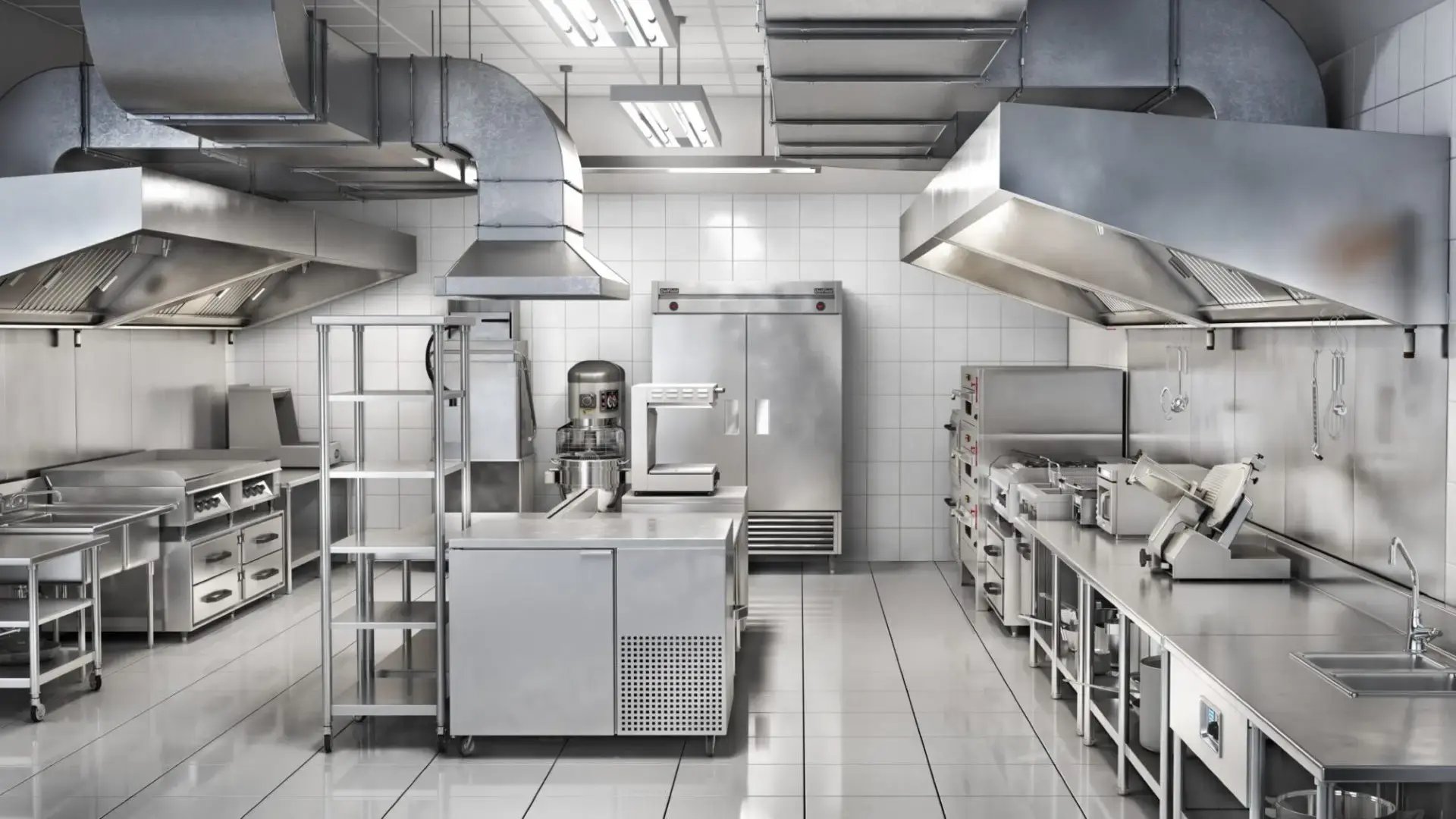
Ferrous metals are defined by their iron content and are the industrial backbone of construction and heavy machinery. This category includes carbon steel, wrought iron, cast iron, and stainless steel. These metals are prized for their immense strength and magnetic properties, but they are also vulnerable to rust and corrosion due to their high iron content. Some of the ferrous materials are: mild steel, stainless steel, cast iron and wrought iron. These materials are can be easily cut with plasma and fiber laser systems.
Cutting of non-ferrous metals
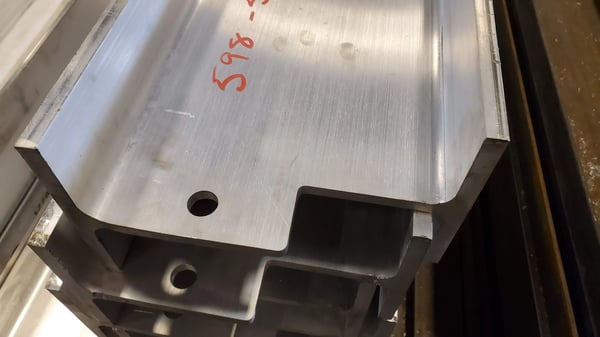
Non-ferrous metals, such as aluminum, copper, zinc, and brass, contain no iron, making them naturally resistant to rust and highly conductive. These metals are generally softer, lighter, and more easily shaped, making them essential for aerospace, electrical, and plumbing applications. While plasma tables remain a viable option for these materials, utilizing CNC routers or fiber laser cutting systems ensures superior cut quality due to their lower thermal impact during the cutting process.