HOW A WATERJET CUTS THROUGH STEEL
December 12th, 2025
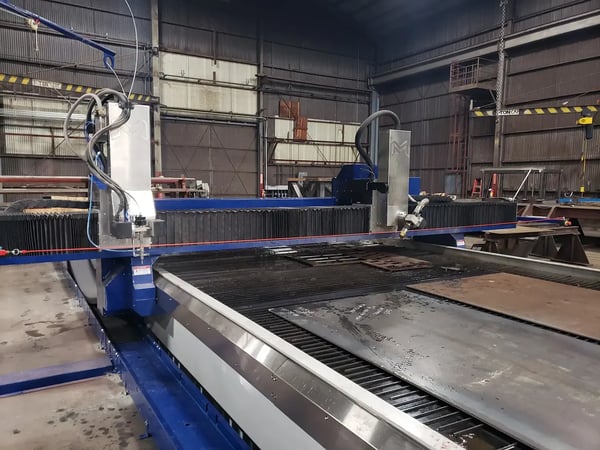
While it may seem counterintuitive to think that water can be used to cut through steel, that is precisely what industrial waterjet cutting systems are designed to do. Today in 2025 waterjets are used for cutting and fabricating even the most advanced alloys. But how exactly can water cut through steel?
The Power of Pressurization
Water cuts steel when it is highly pressurized and concentrated through a tiny opening. Waterjet cutting machines feature high performance pumps that force water through a nozzle at incredibly fast speeds. To handle these pressures in a production environment 2026 shops rely on industry leading pump technology from manufacturers like KMT and Hypertherm, both offered at Machitech.
KMT Waterjet is known for their Streamline PRO series which can reach pressures up to 90,000 PSI. These pumps use sophisticated intensifier technology to provide consistent power for thick plate cutting. On the other hand Hypertherm now leads with the DynaMax systems. These pumps are engineered for maximum reliability and lower total cost of ownership. The DynaMax series features Advanced Intensifier Technology that simplifies seal changes and significantly increases the intervals between required maintenance
Abrasive Water Cutters
Another factor in the ability of water to cut through metals is the use of abrasives. While pure water cuts softer materials effectively, metals require abrasives like garnet or aluminum oxide. These particles are mixed into the water stream at the nozzle to grind through the steel. Modern 2026 systems use automated abrasive delivery to ensure the mix is always perfect for the material thickness.
Water Cutting Benefits
Since there is no heat involved you avoid the creation of a Heat Affected Zone (HAZ) which preserves the physical and chemical integrity of the material from edge to edge. This results in superior edge quality with a smooth finish that typically requires no secondary grinding or polishing.
Beyond edge quality waterjet systems are incredibly versatile and efficient for high volume or complex work.
- Extreme Thickness: There is virtually no thickness limitation and specialized applications can even process several feet of material.
- Precision and Accuracy: The narrow water beam allows for tight tolerances and intricate 5 axis cuts for complex engine components or 3D shapes.
- Material Range: From 5000 series aluminum to glass, wood, granite and marble, this process works on almost any material regardless of conductivity.
The Drawbacks
Waterjet cutting involves high operating costs because of the constant need for abrasive garnet and the expense of disposing of spent sludge. The process is significantly slower than fiber laser or plasma cutting which can limit throughput in high volume environments. Because pumps operate at such extreme pressures they require frequent maintenance on seals and valves to prevent leaks.
Should I Choose Waterjet Over Plasma and Fiber Laser?
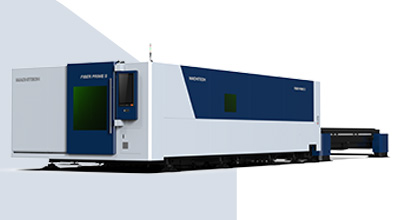
Waterjet cutting carves out its own vital niche by being the only truly cold cutting process which is essential for heat sensitive materials or when absolute material integrity is required. While a lot slower than its thermal counterparts and high in maintenance, the waterjet provides perfect edges and shines in the versatility of the materials it can cut. Machitech also offers Waterjet and Plasma combo machines, which allows to get the best of both worlds.